
Is It Safe to Get a Tattoo in Bali? A Traveller’s Checklist
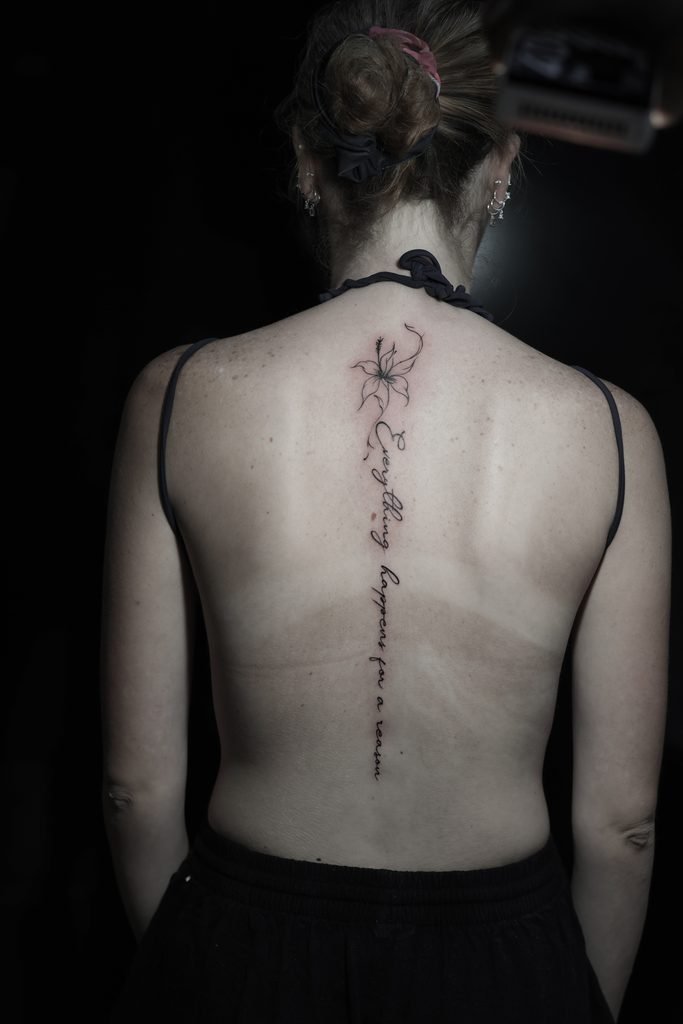
Short answer: yes, getting a tattoo in Bali is safe when you choose a professional studio that uses sterile, single-use equipment and gives you proper aftercare advice. The problems travellers read about almost always come from cheap street stalls, beach vendors, hotel-room “artists” and drunk last-minute decisions. Here is what the real risks are, how to check a studio in five minutes, and how to plan a tattoo around your holiday.
What are the real risks?
A tattoo breaks the skin thousands of times, so the risks are the same anywhere in the world. They just become more likely where hygiene is poor:
- Skin infections from dirty equipment, unwashed hands or poor aftercare. These usually show up within the first couple of days.
- Blood-borne viruses such as hepatitis B, hepatitis C and, rarely, HIV, when needles or ink are reused. In 2011 an Australian traveller was reported to have contracted HIV after a tattoo in Bali, which led Australian health authorities to warn travellers about cheap holiday tattoos (SBS News).
- Allergic reactions, most often to “black henna” temporary tattoos sold on beaches, which can contain a dye that causes blistering and scarring (Vaccine Hub).
- Poor healing because of the sea, pools, sun and humidity, the most common problem we see with holiday tattoos.
None of these are reasons to avoid a tattoo in Bali. They are reasons to be choosy about where you get it.
Safety checklist: how to check a Bali tattoo studio
Use this list before you sit down. A good studio will be happy to answer every point.
- Needles opened in front of you. Needles and cartridges should be single-use and come out of a sealed, sterile pack while you watch. A travel doctor quoted by the NZ Herald recommends asking to see unopened needles; any reputable studio will agree.
- Sterilisation. Anything reusable, such as grips and tubes, should be cleaned and sterilised in an autoclave. Ask how they sterilise.
- Barriers and gloves. The machine, cables, chair and work surfaces should be wrapped in fresh disposable barriers, and the artist should wear new gloves and change them whenever they touch anything else.
- Fresh ink for every client. Ink should be poured into new single-use caps, never dipped from a shared bottle.
- A real studio. Avoid beach stalls, market tables and anyone offering to tattoo you in your villa or hotel room.
- A portfolio in the style you want, ideally including healed work, not just fresh photos.
- A clear price before you start, and a chance to see the stencil and placement before the needle touches your skin.
- Written or clear verbal aftercare advice for the Bali climate.
- You are sober and rested. Never decide on a tattoo after a night out. Alcohol thins the blood and clouds your judgement.
- Trust your instincts. If something feels rushed, dirty or pushy, walk away. There are plenty of studios in Bali.
Before you fly: health and insurance
- Talk to your doctor or a travel clinic a few weeks before your trip, especially about the hepatitis B vaccine. There is no vaccine for hepatitis C or HIV, so studio hygiene is your main protection (Vaccine Hub).
- Check your travel insurance. Many policies do not cover illness or injury caused by an elective holiday tattoo, so a bad infection can become expensive (NZ Herald).
- Book ahead. Sending your idea, size, placement and dates before you land gives the studio time to match you with the right artist and design, so you are not rushed into something on the day. See what to send for a tattoo quote.
Plan your tattoo around your holiday
This is the part most people forget. A fresh tattoo is an open wound for the first couple of weeks, and Bali’s best bits (the ocean, pools and sun) are exactly what it needs to avoid.
- Get tattooed near the end of your trip, so beach and pool days come first.
- No swimming for about two weeks: no sea, pools, hot tubs or long baths. Quick showers are fine.
- Keep it out of direct sun while it heals, covered with loose clothing. No sunscreen on an unhealed tattoo; use SPF 50 once it has healed.
- Wash gently, moisturise thinly and change sweaty clothes quickly. In the humidity, less balm is better.
Our full tattoo aftercare guide for Bali covers every day of healing.
Warning signs: when to see a doctor
Some redness, tenderness, swelling and clear fluid in the first few days is normal. See a doctor promptly if you notice redness or warmth that keeps spreading, increasing pain or swelling, pus, red streaks, fever or feeling generally unwell. Skin infections usually appear within about 48 hours, while viral infections can take longer to show (NZ Herald). Tell the studio too, so they can help.
How we keep you safe at The Wishink Well
We built our Kuta studio around the checklist above:
- Single-use needles and cartridges, opened in front of you.
- Reusable equipment sterilised in an autoclave.
- Machine, chair and work surfaces wrapped in disposable barriers; new gloves throughout.
- Certified tattoo inks poured into fresh caps for every client.
- Selected guest artists matched to your style, a clear quote before you book, and aftercare advice for the Bali climate.
Have a question about hygiene? Ask us anytime, before or during your appointment. Read our booking policy, or see our grand opening offer: 30% off every tattoo.
Plan the rest of your Bali tattoo: the complete Bali tattoo guide, tattoo prices in Bali for 2026, Kuta vs Canggu vs Seminyak vs Ubud and how to find our Kuta studio.
Frequently asked questions
Is it safe to get a tattoo in Bali?
Yes, at a professional studio that uses single-use needles opened in front of you, autoclave sterilisation, disposable barriers and fresh ink caps. Avoid beach stalls, market tables and hotel-room tattoos.
Do I need vaccinations before getting a tattoo in Bali?
Talk to your doctor or a travel clinic before your trip, particularly about the hepatitis B vaccine. There is no vaccine for hepatitis C or HIV, so choosing a hygienic studio is the main protection.
Can I swim after getting a tattoo in Bali?
Not straight away. Keep a new tattoo out of the sea, pools and hot tubs for about two weeks, until it has healed. Many travellers book their tattoo near the end of their holiday for this reason.
Does travel insurance cover a tattoo infection?
Often not. Many policies exclude illness or injury from an elective holiday tattoo, so check your policy before you go.
This guide is general information, not medical advice. If you have a health condition or take medication that affects healing or your immune system, check with your doctor before getting tattooed.